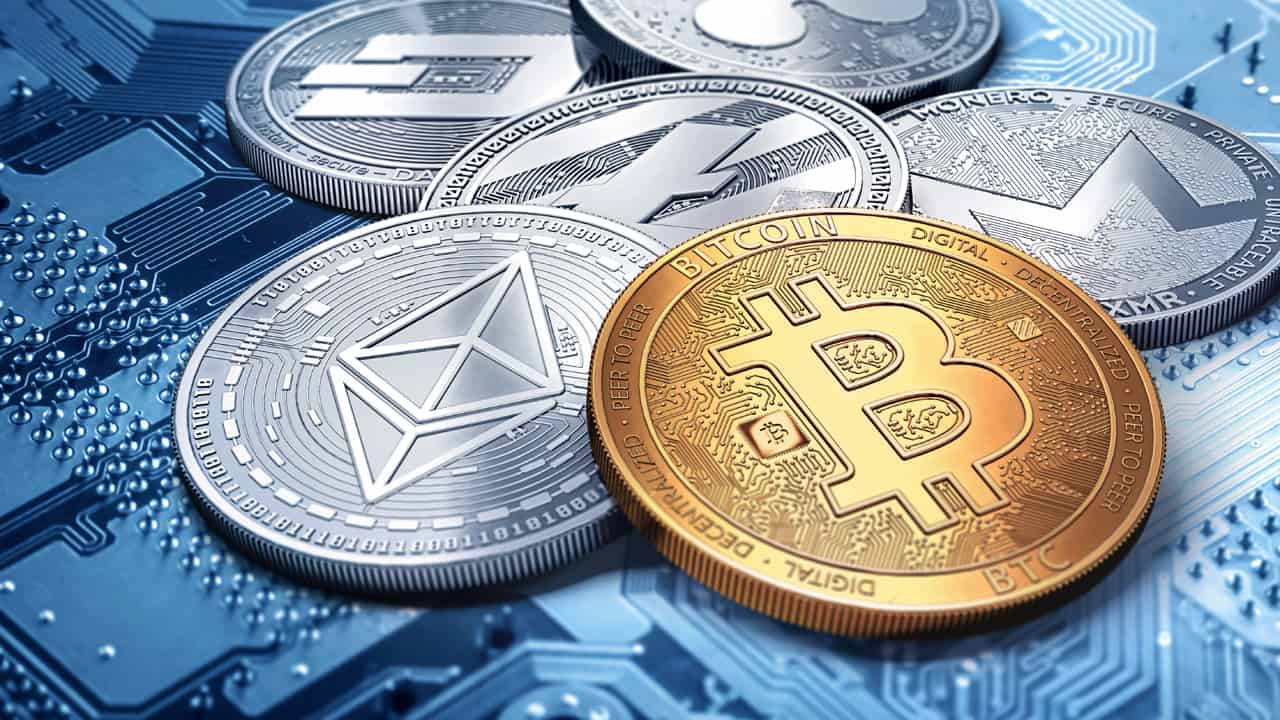
Navigating the Cryptocurrency Galaxy: A Beginner's Guide to Risks and Rewards.
Hey friends! Ever feel like everyone's speaking a different language when they start talking about crypto? Bitcoin, Ethereum, NFTs… it can all sound like something out of a sci-fi movie. It's kind of like trying to understand how your microwave works – you know it heats up food, but the actual science behind it? Forget about it!
But here's the thing: cryptocurrency, while complex, isn't some impenetrable fortress. It's becoming increasingly integrated into our world, popping up in news headlines, investment portfolios, and even casual conversations at coffee shops. Remember when paying with a credit card felt futuristic? Crypto is heading in that direction, maybe even faster!
The real kicker? The potential rewards are HUGE. We're talking about a technology that could revolutionize finance, supply chains, and even the way we think about ownership. Early adopters have seen their investments skyrocket, turning modest sums into life-changing wealth. But let's be real, it's not all sunshine and rainbows. The crypto world is also riddled with risks – volatility that can make your head spin, scams lurking around every corner, and regulatory uncertainty that keeps everyone on their toes.
Think of it like this: imagine you're about to embark on an epic treasure hunt. You've heard stories of incredible riches hidden on a remote island, but you also know that the island is filled with booby traps, unpredictable weather, and maybe even a few mythical creatures! Would you jump in without a map, a compass, or at least a basic understanding of survival skills? Probably not.
That's where this guide comes in. We're here to equip you with the knowledge and tools you need to navigate the cryptocurrency galaxy safely and successfully. We'll break down the jargon, explain the technology, and help you understand the risks and rewards involved. So, buckle up, grab your virtual shovel, and let's dive into the exciting (and sometimes terrifying) world of cryptocurrency! Are you ready to discover the secrets that lie within?
How to Navigate the Cryptocurrency Galaxy: Risks and Rewards
The world of cryptocurrency can seem daunting at first, but with the right knowledge and a bit of caution, you can navigate it effectively. This guide is designed to help you understand the basics, assess the risks, and explore the potential rewards of investing in cryptocurrencies.
Understanding the Basics
Before diving into the specifics, let's cover some foundational concepts. Think of this as your crypto 101.
• Decentralization:
Cryptocurrencies are decentralized, meaning they are not controlled by a single entity like a bank or government. This decentralization is typically achieved through blockchain technology, which distributes the ledger across a network of computers, making it incredibly difficult to tamper with. Imagine a shared Google Doc that everyone can view, but no single person can delete or change unilaterally. That's essentially how a blockchain works.
• Blockchain Technology:
The backbone of most cryptocurrencies, a blockchain is a distributed, immutable ledger that records all transactions. Each "block" contains a set of transactions, and these blocks are linked together chronologically and secured using cryptography. This creates a transparent and secure record of all activity. For example, when you send Bitcoin to a friend, that transaction is added to a block, which is then verified by the network and added to the chain.
• Wallets and Keys:
To store and manage your cryptocurrencies, you'll need a digital wallet. There are different types of wallets – software wallets (apps on your phone or computer), hardware wallets (physical devices), and exchange wallets (provided by cryptocurrency exchanges). Each wallet has a public key (like your bank account number) and a private key (like your PIN). Keep your private key safe! Anyone who has it can access your crypto.
Assessing the Risks
Now, let's talk about the not-so-glamorous side of crypto. It's essential to understand the potential downsides before investing.
• Volatility:
Cryptocurrency prices can fluctuate wildly in short periods. Bitcoin, for instance, can swing by thousands of dollars in a single day. This volatility can be exhilarating for some, but terrifying for others. Think of it as riding a rollercoaster – exciting, but not for the faint of heart. If you're risk-averse, consider starting with small investments and diversifying your portfolio.
• Security Risks:
The crypto world is a target for hackers and scammers. Phishing scams, fake exchanges, and malware are just a few of the threats you might encounter. Always use strong, unique passwords, enable two-factor authentication (2FA), and be wary of suspicious emails or websites. Store your crypto in a secure wallet, preferably a hardware wallet, and never share your private keys with anyone.
• Regulatory Uncertainty:
The regulatory landscape for cryptocurrencies is still evolving. Governments around the world are grappling with how to regulate this new technology, and changes in regulations could significantly impact the value of cryptocurrencies. Keep an eye on the news and stay informed about any regulatory developments in your region. For instance, some countries have banned certain cryptocurrencies, while others are embracing them.
• Scams and Fraud:
The anonymity and lack of regulation in the crypto space make it a breeding ground for scams. Be wary of promises of guaranteed returns, "get rich quick" schemes, and ICOs (Initial Coin Offerings) that seem too good to be true. Do your research before investing in any new project and never invest more than you can afford to lose. Remember the old saying: if it sounds too good to be true, it probably is.
Exploring the Rewards
Despite the risks, cryptocurrencies offer several potential benefits.
• Investment Opportunities:
Cryptocurrencies have the potential to generate significant returns. While past performance is not indicative of future results, many early investors in Bitcoin and Ethereum have seen substantial gains. However, it's crucial to do your research and invest in projects with solid fundamentals and long-term potential. Diversifying your portfolio can also help mitigate risk.
• Decentralized Finance (De Fi):
De Fi platforms offer a range of financial services, such as lending, borrowing, and trading, without the need for traditional intermediaries like banks. De Fi can provide higher interest rates on savings and more accessible loans, but it also comes with its own set of risks, including smart contract vulnerabilities and impermanent loss. Think of it as a new financial system built on blockchain technology.
• Innovation and Technology:
Investing in cryptocurrencies is also investing in innovative technology. Blockchain has the potential to disrupt various industries, from finance to supply chain management. By supporting these projects, you're contributing to the development of a more decentralized and transparent future. Consider it like investing in the internet back in the 90s – you're betting on the future of technology.
• Global Accessibility:
Cryptocurrencies can be used anywhere in the world, making them ideal for international transactions. They can also provide access to financial services for people in countries with unstable economies or limited banking infrastructure. This global accessibility can be particularly beneficial for remittances and cross-border payments.
Practical Steps to Get Started
Ready to dip your toes into the crypto waters? Here’s a practical guide to getting started.
• Choose a Reputable Exchange:
Select a well-known and reputable cryptocurrency exchange like Coinbase, Binance, or Kraken. These exchanges offer a user-friendly interface, a wide range of cryptocurrencies, and robust security measures. Do your research and read reviews before choosing an exchange.
• Create and Secure Your Account:
Sign up for an account on your chosen exchange and complete the verification process. Enable two-factor authentication (2FA) to add an extra layer of security. Use a strong, unique password and never share your login credentials with anyone.
• Fund Your Account:
Deposit funds into your account using a variety of methods, such as bank transfers, credit cards, or debit cards. Be aware of any fees associated with these methods. Start with a small amount that you're comfortable losing.
• Start Small and Diversify:
Begin with a small investment and gradually increase your holdings as you become more comfortable with the market. Diversify your portfolio by investing in different cryptocurrencies rather than putting all your eggs in one basket. This can help mitigate risk and increase your chances of long-term success.
• Do Your Research:
Before investing in any cryptocurrency, do your research. Read the whitepaper, understand the technology, and assess the project's potential. Look for projects with a strong team, a clear roadmap, and a viable use case.
• Stay Informed:
Keep up-to-date with the latest news and developments in the cryptocurrency space. Follow reputable news sources, attend industry events, and engage with the crypto community. The more you know, the better equipped you'll be to make informed investment decisions.
• Use a Secure Wallet:
Once you've purchased your cryptocurrencies, transfer them to a secure wallet, preferably a hardware wallet. Hardware wallets are physical devices that store your private keys offline, making them much more secure than software wallets or exchange wallets. Popular hardware wallets include Ledger and Trezor.
• Be Patient and Persistent:
Investing in cryptocurrencies is a long-term game. Don't expect to get rich overnight. Be patient, stay informed, and be prepared to weather the ups and downs of the market. With persistence and a well-thought-out strategy, you can increase your chances of success.
Expert Perspectives and Future Trends
What do the experts say, and what does the future hold for crypto?
• Institutional Adoption:
More and more institutional investors are entering the cryptocurrency space, bringing with them significant capital and expertise. This institutional adoption is likely to drive further growth and stability in the market. Companies like Tesla and Micro Strategy have already invested heavily in Bitcoin, signaling a growing acceptance of cryptocurrencies among mainstream businesses.
• Regulatory Clarity:
As governments around the world develop clearer regulatory frameworks for cryptocurrencies, the industry is likely to become more mature and stable. This regulatory clarity will also attract more institutional investors and help to reduce the risk of scams and fraud.
• The Rise of De Fi:
Decentralized Finance (De Fi) is expected to continue to grow in popularity, offering new and innovative financial services without the need for traditional intermediaries. De Fi platforms are constantly evolving, with new projects and protocols emerging all the time. Keep an eye on this space for potential investment opportunities.
• Central Bank Digital Currencies (CBDCs):
Many central banks are exploring the possibility of issuing their own digital currencies. These CBDCs could potentially revolutionize the way we use money, making payments faster, cheaper, and more accessible. However, they also raise concerns about privacy and government control. The development of CBDCs is something to watch closely in the coming years.
• Continued Innovation:
The cryptocurrency space is constantly evolving, with new technologies and innovations emerging all the time. From NFTs (Non-Fungible Tokens) to DAOs (Decentralized Autonomous Organizations), there are always new and exciting developments to explore. Staying informed about these trends is essential for any crypto investor.
Frequently Asked Questions
Here are some common questions people have about cryptocurrencies:
Q: Is cryptocurrency a good investment?
A: Cryptocurrency can be a good investment, but it's important to understand the risks involved. Like any investment, it's not guaranteed to make money, and you could lose your entire investment. It's crucial to do your research, diversify your portfolio, and only invest what you can afford to lose.
Q: How do I choose the right cryptocurrency to invest in?
A: Choosing the right cryptocurrency to invest in requires careful research and analysis. Look for projects with a strong team, a clear roadmap, a viable use case, and a growing community. Read the whitepaper, understand the technology, and assess the project's long-term potential. Don't rely on hype or speculation.
Q: What is a cryptocurrency wallet, and why do I need one?
A: A cryptocurrency wallet is a digital tool used to store, send, and receive cryptocurrencies. It's like a bank account for your digital assets. You need a wallet to manage your cryptocurrencies securely and to interact with blockchain networks. There are different types of wallets, including software wallets, hardware wallets, and exchange wallets. Choose a wallet that meets your security needs and investment goals.
Q: How can I protect myself from cryptocurrency scams?
A: Protecting yourself from cryptocurrency scams requires vigilance and caution. Be wary of promises of guaranteed returns, "get rich quick" schemes, and ICOs that seem too good to be true. Do your research before investing in any new project, never share your private keys with anyone, and use strong, unique passwords. Enable two-factor authentication (2FA) on your accounts and be wary of suspicious emails or websites.
In Conclusion
So, there you have it – a comprehensive guide to navigating the cryptocurrency galaxy! We've covered the basics, explored the risks and rewards, and provided practical steps to get started. The key takeaways? Understand the technology, assess the risks, do your research, and start small. Remember, the world of crypto is constantly evolving, so stay informed and be prepared to adapt.
Cryptocurrency offers exciting opportunities, but it's not without its challenges. By understanding the risks and rewards, you can make informed decisions and navigate this new frontier with confidence. Don't be afraid to ask questions, seek advice from experienced investors, and take your time. The journey into the crypto galaxy can be both rewarding and transformative.
Now that you're equipped with this knowledge, take action! Start by researching different cryptocurrencies, choosing a reputable exchange, and setting up a secure wallet. Remember, even small steps can lead to big changes. The future of finance is here, and you have the opportunity to be a part of it. So, what are you waiting for? Dive in and explore the exciting world of cryptocurrency! What innovative crypto project are you most excited about?
